
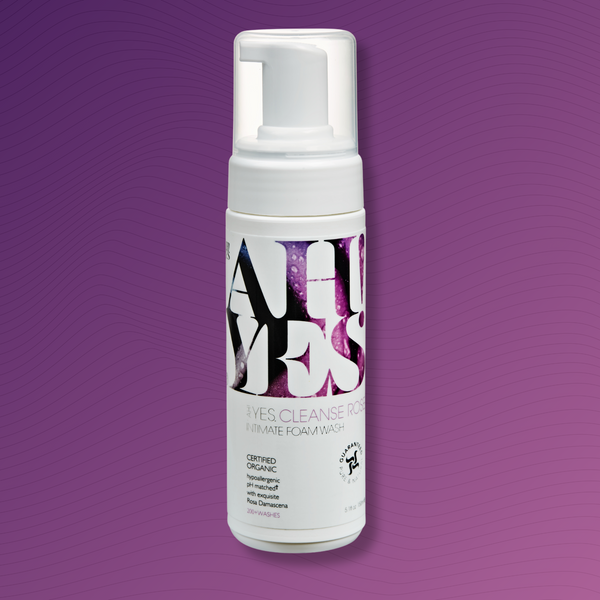

CLEANSE Intimate Wash

Scent::
FREE Shipping* on orders over $40

Have a discount code? Add it in the next step.
4.8/5 based on 1,630 reviews
For many people, it comes with a cluster of other changes—recurrent UTIs, sudden urgency to urinate, burning, itching. There’s a name for that bigger picture, and learning it is genuinely empowering: GSM, or genitourinary syndrome of menopause.
In 2014, specialist societies adopted the term genitourinary syndrome of menopause to replace older language like vulvovaginal atrophy and atrophic vaginitis. The change wasn’t cosmetic: “atrophy” sounds like irreversible decline, while GSM describes a recognized, treatable syndrome that affects the vagina, vulva, urethra, and bladder. It also makes clear that the symptoms are directly linked to low estrogen—connecting symptoms that might otherwise be treated separately by different clinicians.
Vaginal: dryness, soreness, irritation, thinning, reduced lubrication
Urinary: recurrent UTIs, urgency, frequency, burning when urinating
Sexual: pain (dyspareunia), reduced lubrication, light bleeding with friction
Quality of life: disturbed sleep, discomfort when sitting or exercising, reduced confidence
Here’s the part most people are never told: estrogen receptors aren’t only in the vagina—they’re also found in the urethra and the trigone of the bladder. As estrogen declines, these tissues become thinner too, while rising vaginal pH and declining lactobacilli weaken the body’s natural defense against bacteria.
That’s why UTIs, urgency, and frequent urination often increase after menopause. Vaginal dryness and urinary symptoms aren’t two unrelated problems—they’re two sides of the same hormonal change.
Encouragingly, local vaginal estrogen is the only non-antibiotic treatment with strong (Grade A) evidence for helping prevent recurrent UTIs in this group.
Estrogen receptors are found in the vagina, vulva, urethra, and bladder trigone. Falling estrogen thins these tissues and raises vaginal pH above approximately 5, reducing protective lactobacilli and increasing the risk of UTIs and irritation throughout the genitourinary tract.
Keeping vulvovaginal tissue hydrated and supporting a healthy vaginal environment can improve comfort far beyond sex—it can also support everyday urinary comfort.
A note on pH: as the vaginal environment becomes more alkaline after menopause, the risk of UTIs, yeast infections, and bacterial vaginosis increases. That’s why a pH-matched, iso-osmotic moisturizer, lubricant, and gentle wash matter. Products that are too alkaline can push the vaginal environment further out of balance, potentially increasing irritation and infection risk. pH-matched care helps support a healthier environment and works best as part of a coordinated routine rather than in isolation.
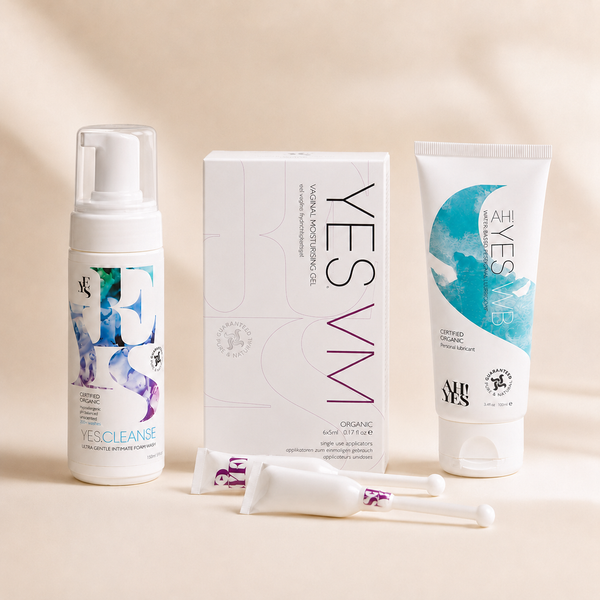
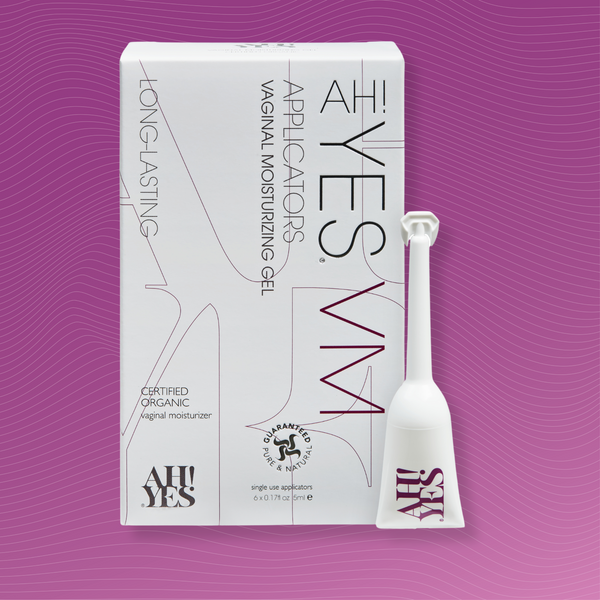
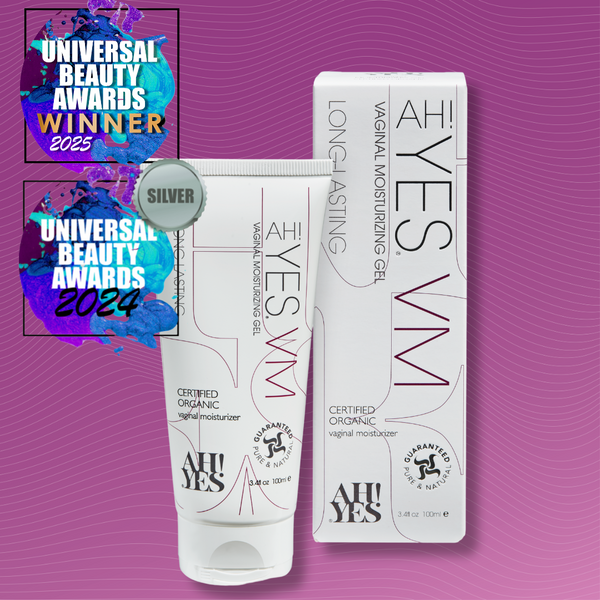
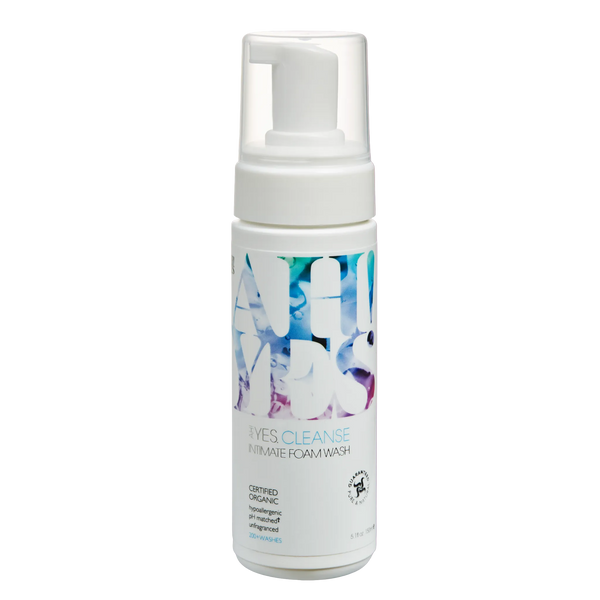
Our pH-matched Vaginal Moisturizer and Intimate Foam Wash are designed to support comfort beyond the bedroom and can be used alongside any treatment recommended by your healthcare provider.
If you have recurrent UTIs, persistent burning, or unusual symptoms, it’s important to speak with a healthcare professional. GSM and infection can overlap, and recurrent UTIs in particular are a good reason to ask specifically about local vaginal estrogen, which has the strongest evidence for prevention.
Sources / further reading:
A layered, hormone-free routine can help. Our pH-matched moisturizer and wash are designed to support comfort across the whole genitourinary picture—not just one symptom.
Read more about the changes your body goes through during peri menopause and post menopause.


