
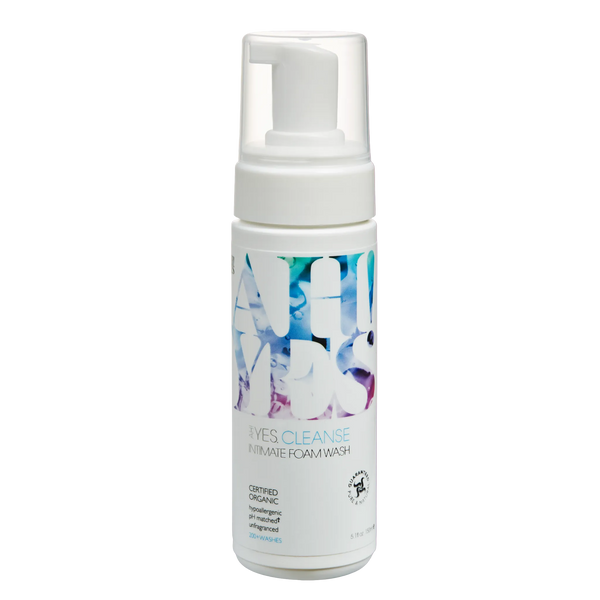
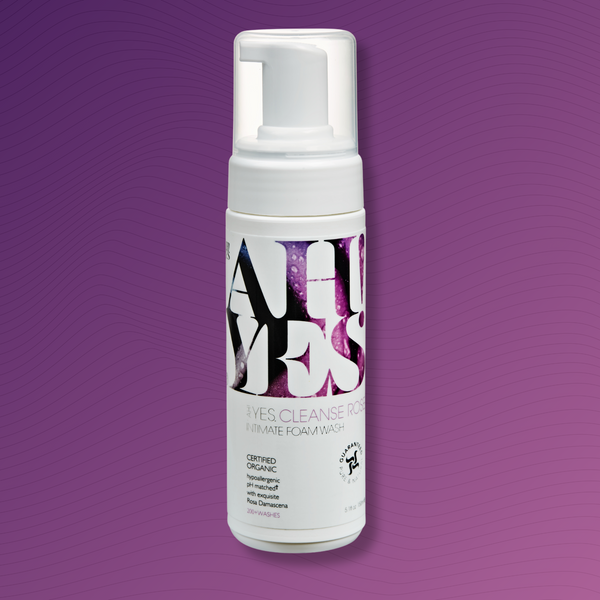

CLEANSE Intimate Wash

Scent::
FREE Shipping* on orders over $50

Have a discount code? Add it in the next step.
4.8/5 based on 1,630 reviews
You feel itchy, sore, perhaps a little burning, so you reach for a thrush treatment. It helps a little, or not at all, and a few weeks later you’re back where you started.
If that loop sounds familiar, you’re in very common company. While many women assume these symptoms are caused by thrush, menopausal dryness is often the real culprit. In some cases, symptoms that seem like recurrent thrush can also be caused by lichen sclerosus, a chronic inflammatory skin condition that affects the vulva. Because these conditions can feel remarkably similar, self-diagnosis isn’t always reliable.
As estrogen falls, the vaginal and vulvar lining becomes thinner, drier and more fragile, and the local environment shifts. That can produce itching, burning and irritation that feel remarkably like a yeast infection. The crucial difference: antifungals only work on fungus, so if your symptoms are driven by dryness and atrophy (part of what’s now called genitourinary syndrome of menopause, or GSM), an antifungal has nothing to act on—which is why it doesn’t fully clear.
There’s a microbiome angle too. In a well-estrogenized vagina, glycogen-rich cells nourish protective lactobacilli, which produce lactic acid and help maintain an acidic pH (roughly 3.8–4.5). After menopause, falling estrogen reduces glycogen, causing lactobacilli to decline and the vaginal pH to rise above 5. This can leave the vaginal microbiome dysbiotic, meaning its natural balance of microorganisms is disrupted. As a result, the vaginal environment becomes less protective, increasing the risk of infections such as thrush and bacterial vaginosis. This is why some women experience both menopausal dryness and a genuine infection at the same time.
Falling estrogen thins vaginal tissue and raises vaginal pH above around 5, reducing protective lactobacilli. The result is itching and irritation that can mimic a yeast infection but won’t respond to antifungal treatments. At the same time, the changing vaginal environment can increase the risk of genuine infections such as thrush and bacterial vaginosis.
Another condition that is commonly mistaken for thrush is lichen sclerosus. Like menopausal dryness, it can cause itching, soreness, burning and discomfort during sex, but it is a chronic inflammatory skin condition rather than an infection.
Unlike thrush, lichen sclerosus won’t improve with antifungal treatments. It usually requires prescription treatment and ongoing medical management. If left untreated, it can lead to scarring and permanent changes to the vulvar skin.
Because the symptoms overlap so closely, it’s important not to assume that recurring itching is “just thrush.” If treatments aren’t working, it’s worth asking your doctor or healthcare professional whether another condition, including lichen sclerosus, could be the cause.
Repeated harsh treatments, over-washing, douching and fragranced products can all aggravate already-sensitive tissue and further disrupt vaginal pH and the microbiome. Many women unintentionally feed the itch-scratch cycle by reaching for stronger soaps or washing more frequently.
Gentler, microbiome-respecting care is usually far kinder. An external-only, fragrance-free wash and a soothing, pH-matched moisturizer can help calm irritation and support the tissue while its natural barrier recovers.
Persistent soreness, irritation or itching around the vulva should always be checked by a doctor or healthcare professional rather than repeatedly self-treating for thrush.
While dryness and GSM are common causes of these symptoms, recurrent “thrush” that never fully resolves should prompt a closer look. Conditions such as lichen sclerosus can cause very similar symptoms but require different treatment, so self-diagnosis isn’t recommended.
Seek medical advice if you experience:
A simple examination, and sometimes a vaginal pH test, can often help distinguish between thrush, menopausal dryness and other vulvar conditions, ensuring you receive the right treatment rather than repeating treatments that aren’t addressing the real cause.
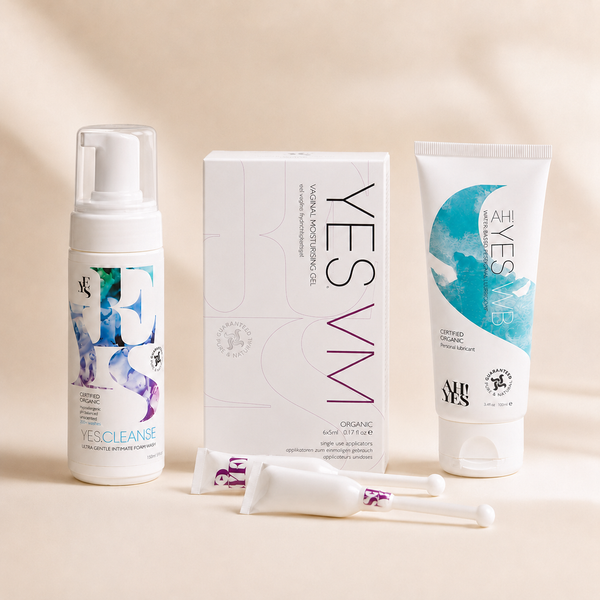
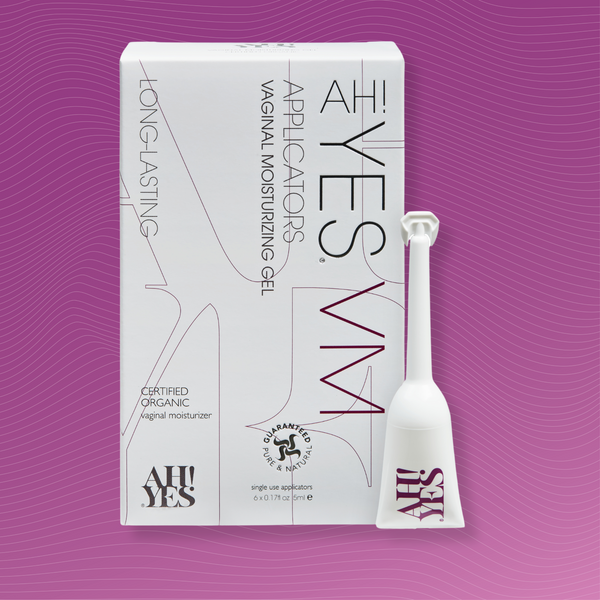
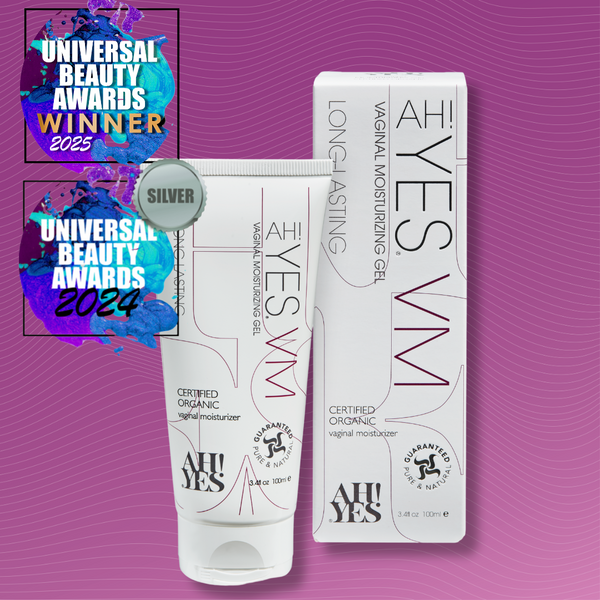
If soothing, gentle care sounds like the missing piece, our certified-organic wash and moisturizer are formulated to calm and support balance rather than strip it.
Read more about the changes your body goes through during peri menopause and post menopause.


