
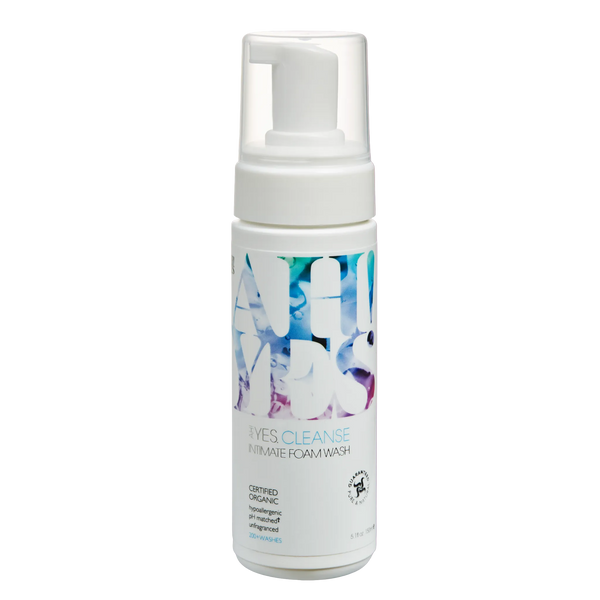
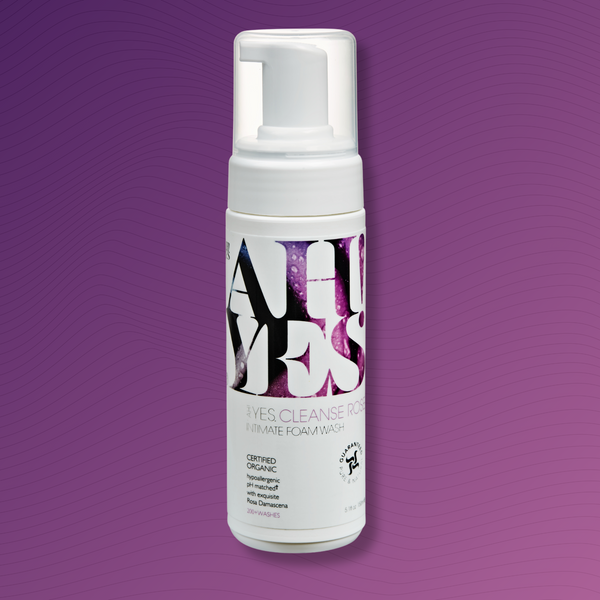

CLEANSE Intimate Wash

Scent::
15% and Free Shipping* Always When You Subscribe

Have a discount code? Add it in the next step.
4.8/5 based on 1,630 reviews
“That's just your age now.” If you've been told some version of this and quietly accepted it, we'd like to offer a firmer, evidence-based message: vaginal dryness is extremely common, it has a clear physiological cause, and living with it is not something you simply have to endure.
What used to be called “vaginal atrophy” is now understood as part of GSM (genitourinary syndrome of menopause). Estimates of how many postmenopausal women are affected range from around 27% to as high as 84%, with figures commonly cited around half — and in studies of women over 40 reporting vaginal dryness specifically, the figure reaches roughly 85%. Over half of women with symptoms say their quality of life is affected. And unlike hot flashes, which often fade with time, GSM tends to persist or worsen if left unaddressed, because the underlying tissue change is ongoing rather than temporary.
THE SCIENCE IN BRIEF
GSM affects an estimated 27–84% of postmenopausal women (often cited as about half). Because it's driven by ongoing estrogen decline, it's generally progressive without treatment — it doesn't usually “pass” the way hot flashes can.
Clinical guidance is clear that GSM responds well to treatment, and that non-hormonal moisturizers and lubricants are a recognized first-line option, with vaginal estrogen, vaginal DHEA or ospemifene available when symptoms persist. In trials, the majority of women improve with treatment. In other words, there's a well-trodden path from discomfort to comfort — most people just haven't been told it exists, which is part of why GSM remains so underdiagnosed and undertreated.
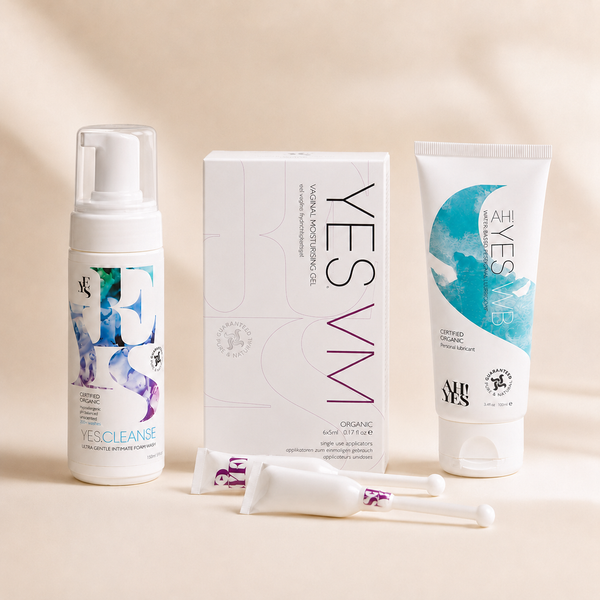
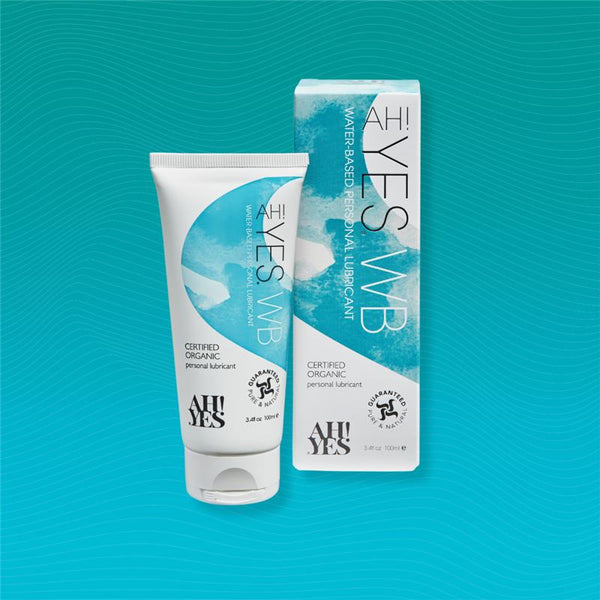
A daily routine — gentle external wash, a most-days moisturizer, and the right lubricant for intimacy — helps many people feel like themselves again. And if you'd like to explore prescription options too, you can; the approaches work well together. If your symptoms have been brushed off, it's entirely reasonable to go back and ask again, using the term GSM, and to request a review or a referral if needed.
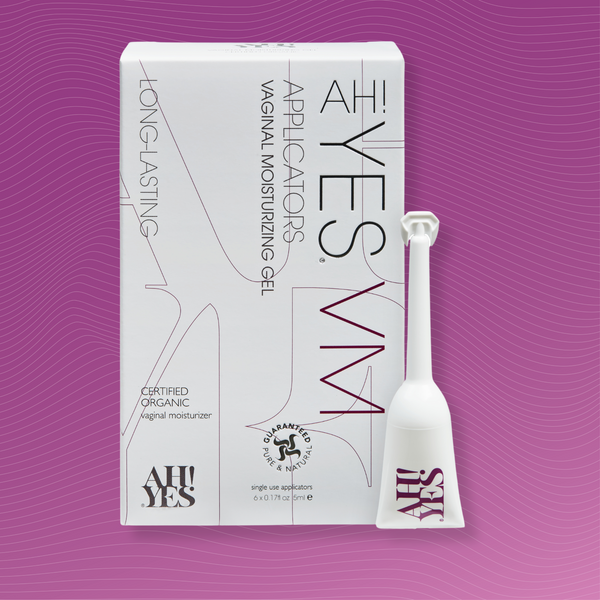
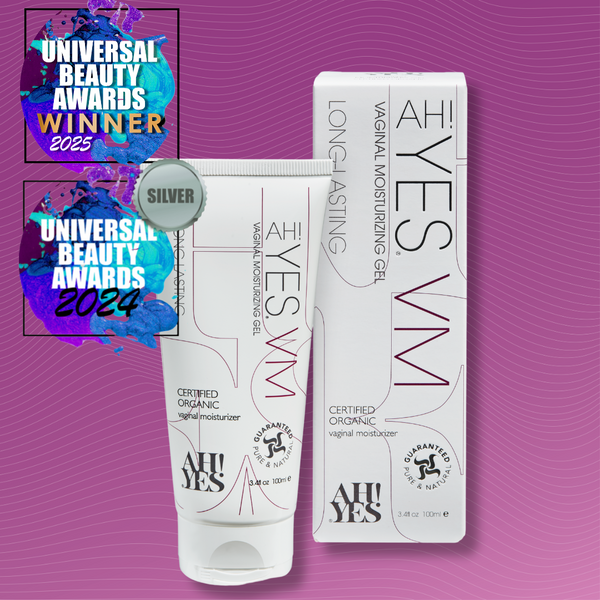
Support your body's shift with care you can count on. Our hormone-free daily moisturizer is an easy place to start, today.
Sources / further reading:
StatPearls: Genitourinary Syndrome of Menopause (NCBI Bookshelf)
Cleveland Clinic Journal of Medicine: GSM, common problem, effective treatments (2018)
The Menopause Society: 2020 Genitourinary Syndrome of Menopause Position Statement
Read more about the changes your body goes through during peri menopause and post menopause.


