
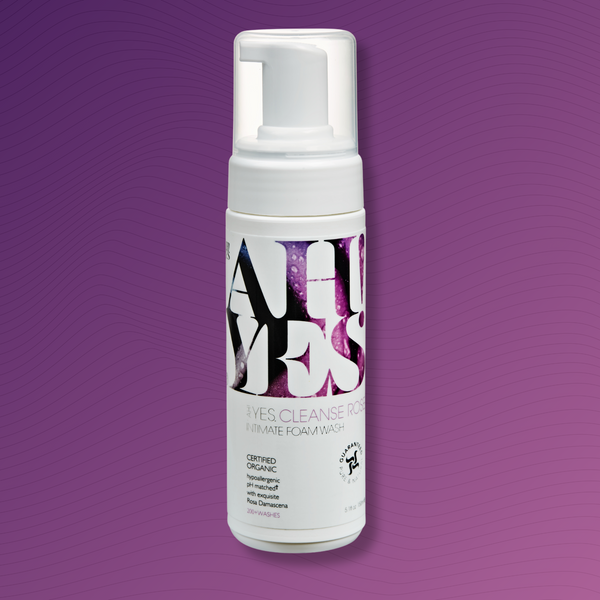

CLEANSE Intimate Wash

Scent::
15% and Free Shipping* Always When You Subscribe

Have a discount code? Add it in the next step.
4.8/5 based on 1,630 reviews
If you’ve ever turned over a tube of lubricant, read the ingredients and felt none the wiser, this one’s for you. The label matters more here than almost anywhere else on your body — and once you know what a handful of ingredients actually do, the choice gets a lot easier.
The vulva and vagina are lined with thin, highly absorbent mucosal tissue, with a rich blood supply and a finely tuned pH and microbiome. That means substances are absorbed more readily here than through the tougher, more protective skin on your hands or face, and the margin for irritation is smaller. After menopause, with the lining already thinner and the microbiome more fragile, that sensitivity is heightened further. An ingredient your forearm would shrug off can be a genuine irritant internally.
Glycerin (glycerol): a sugar-based humectant. In high concentrations it pushes up a product’s osmolality and can act as a substrate that contributes to imbalance and irritation for some people.
Parabens (e.g., methylparaben, propylparaben): preservatives that can act as weak estrogen mimics — a particular concern for anyone specifically avoiding hormones, including after a hormone-sensitive cancer.
Propylene glycol and other glycols: solvents linked in WHO guidance to higher osmolality and to stinging or drying of sensitive tissue.
Added fragrance/parfum and grapefruit seed extract: frequent triggers of irritation and contact dermatitis.
“Warming,” “tingling” or flavored additives: often the culprits behind a burning sensation.
Chlorhexidine and some antibacterial agents: can disrupt the helpful lactobacilli you want to protect.
Sugars and glycols raise a product’s osmolality. Hyperosmolar formulas can draw water out of epithelial cells, disrupting the surface barrier and shedding cells — the opposite of what you want when tissue is already dry, and a route to more irritation and infection risk.
Certified organic: independently verified to a real, audited standard (for us, the Soil Association) — not a marketing mood
pH-matched: formulated to sit close to the vagina’s naturally slightly acidic pH
Iso-osmotic: balanced to suit the needs of your tissue, so it isn’t pulling moisture in or out
Hormone-free: contains no added hormones, and free of estrogen-mimicking parabens
Glycerin-free: avoids the most common sugar-based irritant
Turn the pack over. Is the ingredient list short and recognizable? Is there a real certification mark, not just the word “natural”? Does the brand publish (or willingly share) the osmolality and pH? Are glycerin, parabens, propylene glycol and fragrance absent? If yes across the board, you’re holding something kind to delicate tissue.
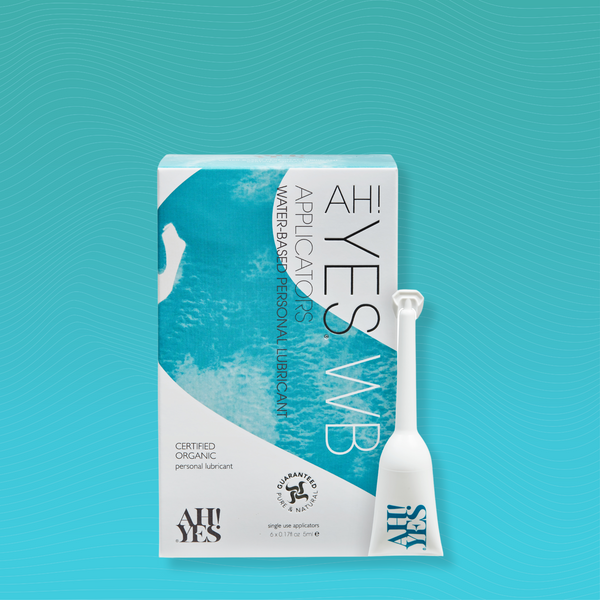
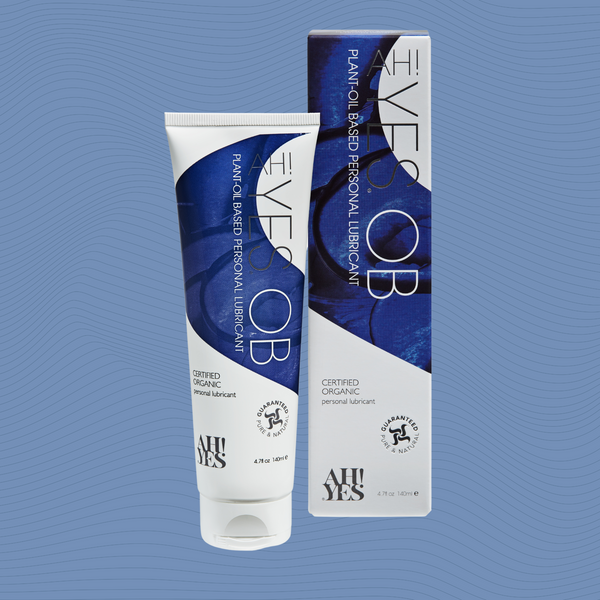
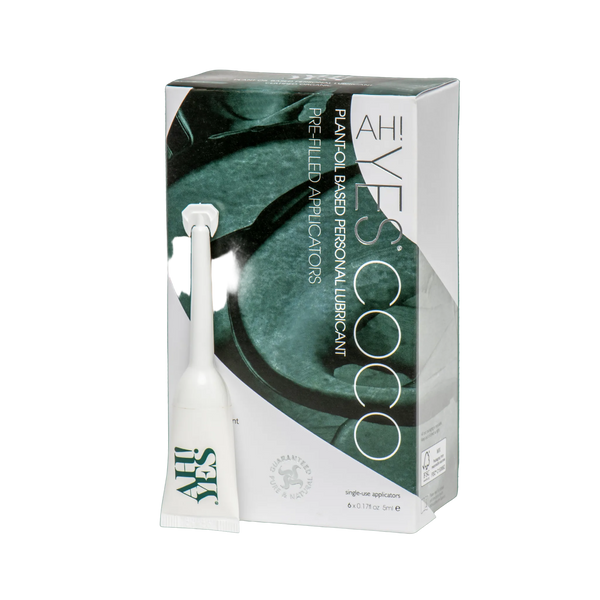
Every AH! YES formula is certified organic and made without glycerin, parabens, propylene glycol, SLS, added fragrance or grapefruit seed extract. Our water-based products are formulated to be iso-osmotic and pH-matched, and we disclose what’s in, not only what’s left out — because transparency is how you actually trust a claim.
A quick rule of thumb: a shorter, recognizable ingredient list and a real certification beat a front-of-pack “natural” claim every single time.
Read more about the changes your body goes through during peri menopause and post menopause.


