
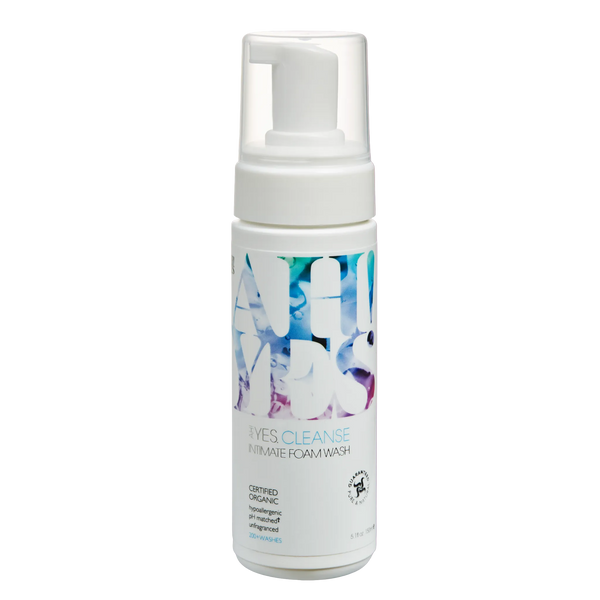
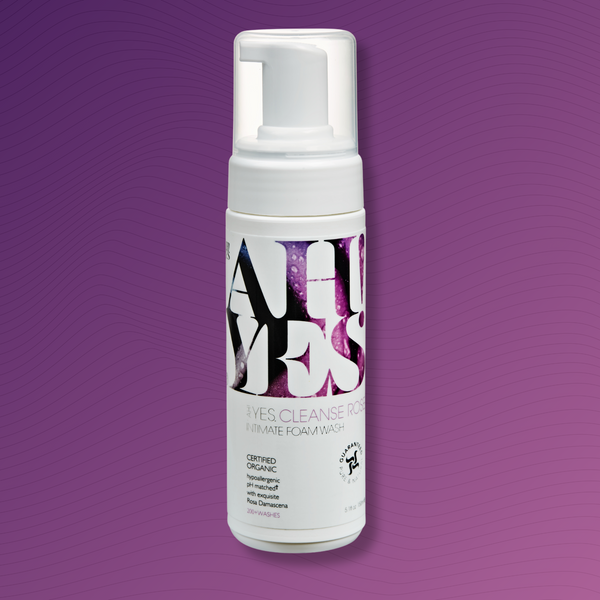

CLEANSE Intimate Wash

Scent::
FREE Shipping* on orders over $40

Have a discount code? Add it in the next step.
4.8/5 based on 1,630 reviews
Most of us are taught to watch for two signs of perimenopause: hot flashes and changes to our periods. So it can be genuinely disorienting when one of the earliest shifts shows up somewhere far more private — as vaginal dryness, often appearing before your cycle becomes irregular and well before any night sweats.
It is extremely common, it is a normal part of a normal transition, and once you understand what’s happening, it becomes much easier to manage. This article walks through the early signs, the biology behind them, how perimenopause actually unfolds, and the evidence-based first steps you can take.
Perimenopause is the transition leading up to your final period, and it can last anywhere from a couple of years to a decade. Crucially, it usually begins several years before periods stop — commonly in the mid-40s, but for some women in their late 30s.
During this window, estrogen doesn’t decline in a neat straight line; it fluctuates, swinging higher and lower from cycle to cycle before gradually settling at a lower level. Those fluctuations are why symptoms can come and go, and why dryness may be noticeable one month and barely there the next.
Estrogen is the hormone that helps keep the vulva and vagina healthy. Estrogen receptors are found throughout the vagina, vulva, urethra, and bladder, and when they’re well supplied, estrogen helps maintain blood flow, collagen, tissue thickness, elasticity, and natural moisture.
It also keeps the vaginal lining rich in glycogen, which supports the protective lactobacilli that help maintain a slightly acidic vaginal pH.
As estrogen begins to decline, the lining becomes thinner, produces less natural lubrication, loses some elasticity, and the protective microbiome starts to shift. Because these changes happen gradually, the first symptoms are often subtle rather than dramatic — which is exactly why they’re so easy to dismiss.
Estrogen helps maintain vaginal blood flow, collagen, tissue thickness, glycogen, and moisture. During perimenopause, estrogen fluctuates and gradually declines, causing the vaginal lining to thin and natural lubrication to decrease. As a result, vaginal dryness can appear early, even while periods are still regular.
Early dryness rarely feels like a flashing warning light. More often, it’s a low-level discomfort you’d explain away as a fabric issue or a one-off irritation:
These tissue changes tend to progress over time if nothing is done because the underlying hormonal shift continues.
That isn’t a reason to panic, it’s the reason gentle, consistent care early on can be so worthwhile.
Across major menopause and gynecology guidelines, non-hormonal moisturizers and lubricants are recognized as first-line options for managing these symptoms. Starting sooner can help maintain comfort rather than waiting until tissue becomes sore or sex becomes painful.
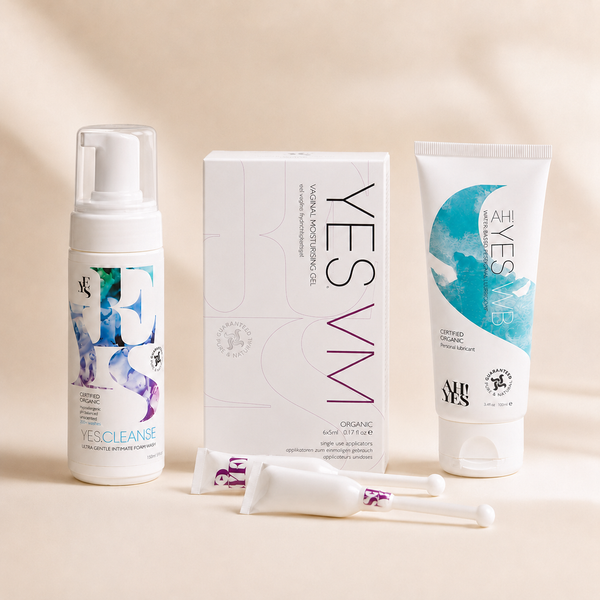
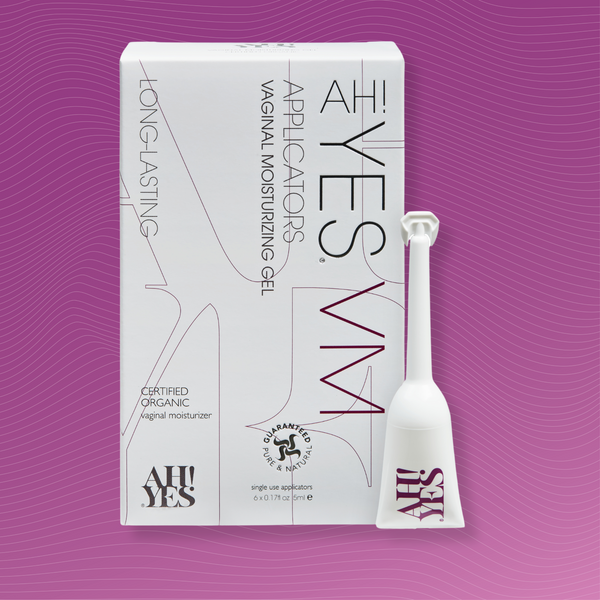
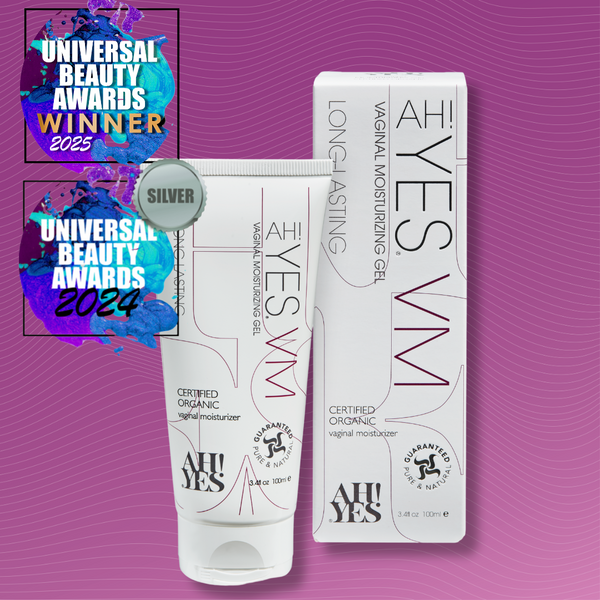
A pH-matched, hormone-free daily moisturizer — such as our certified-organic Vaginal Moisturizer — is designed to rehydrate and soothe delicate tissue with regular use.
It’s formulated to be iso-osmotic, meaning it’s balanced to support your tissue’s natural hydration rather than drawing moisture in or out of it. (You can learn more about why that matters in our article on osmolality.)
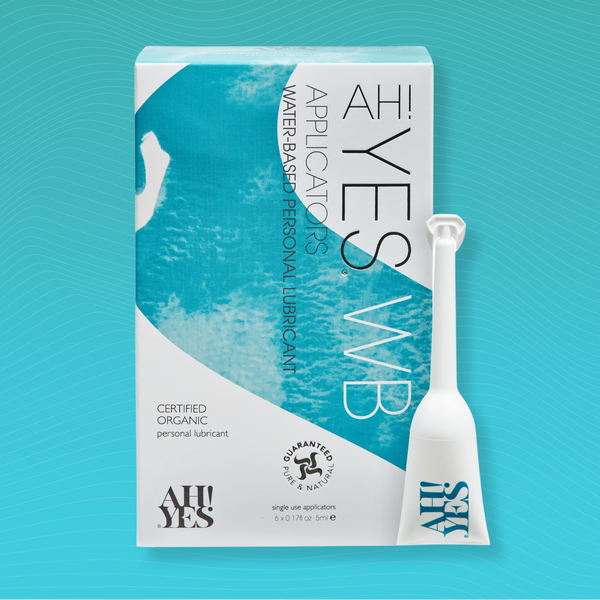
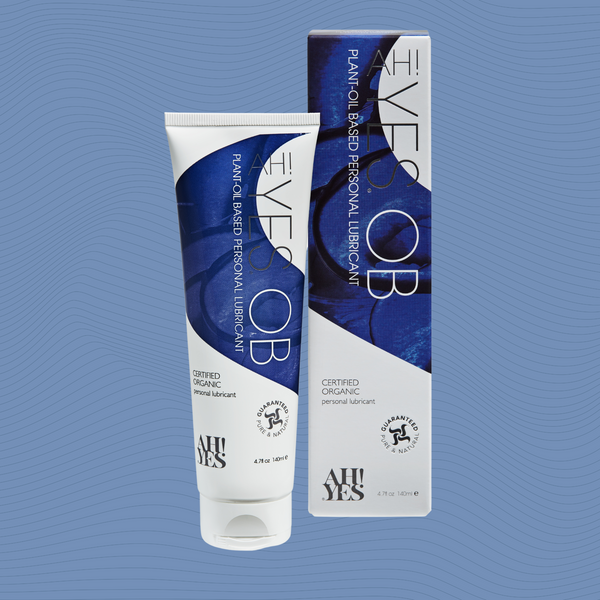
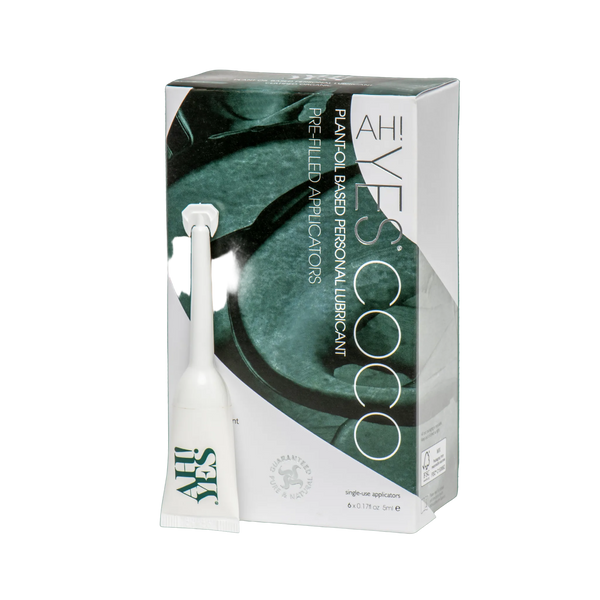
For comfort during sex, a separate lubricant serves a different purpose, and the two can work well together.
If dryness is persistent or painful, or comes with unusual bleeding (including bleeding after sex or between periods), sores, or signs of infection, it’s worth discussing with your healthcare provider.
Early conversations often lead to simpler solutions, and there are both non-hormonal and prescription options available — including local vaginal estrogen — depending on your needs.
Dryness that develops at a younger-than-expected age is also worth mentioning so the underlying cause can be properly assessed.
- StatPearls: Genitourinary Syndrome of Menopause (NCBI Bookshelf)
- Cleveland Clinic Journal of Medicine: GSM, common problem, effective treatments (2018)
Read more about the changes your body goes through during peri menopause and post menopause.


