



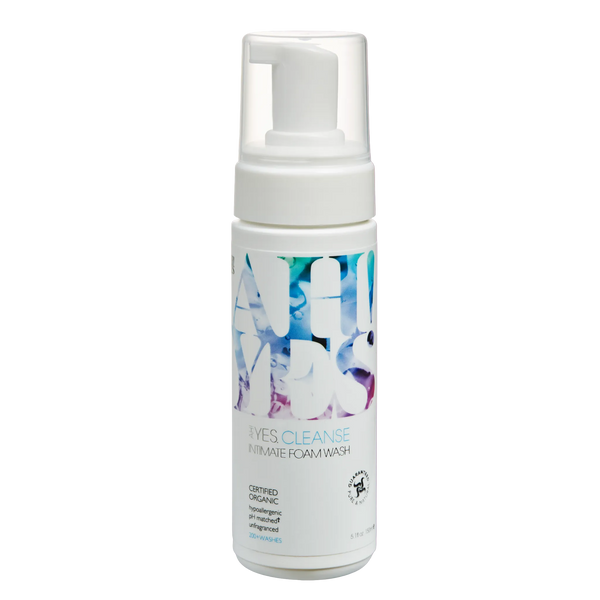
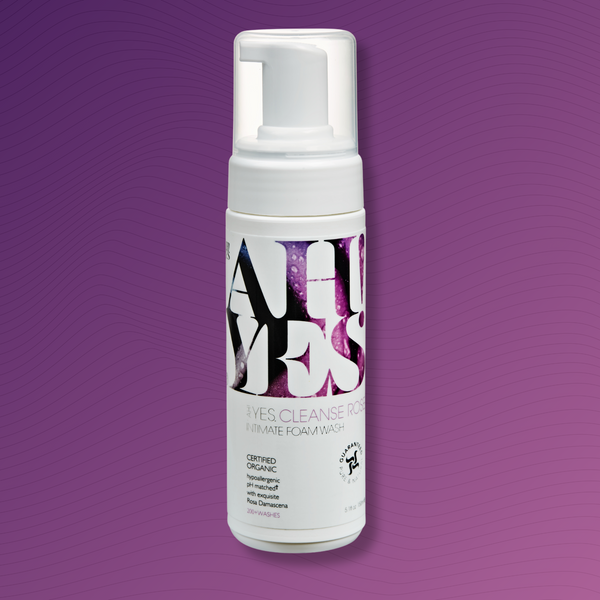

CLEANSE Intimate Wash

Scent::
Free AH! YES WB ($24.99 value) when you spend $60+

Have a discount code? Add it in the next step.
4.8/5 based on 1,630 reviews
Most women experience a vaginal infection at some point in their lives. They can be uncomfortable and inconvenient—but the good news is, they’re common, treatable, and often preventable. Understanding the cause and symptoms can help you choose the right treatment and know when to see a healthcare provider.
After all, Making Vaginas Happy is just what we do at AH! YES.
What is Bacterial Vaginosis (BV)?
BV happens when the natural balance of vaginal bacteria is disrupted. Normally, good bacteria (lactobacilli) help maintain a healthy pH, but if harmful bacteria take over, BV can develop.
Causes of BV may include:
Douching (just don’t!)
Using scented soaps or vaginal deodorants
Having multiple sexual partners
Smoking
Common symptoms:
Thin, watery gray or white discharge
A fishy odor, especially after sex
Mild irritation or itching
When to see a doctor:
It’s your first time experiencing symptoms
The infection keeps recurring
You’re pregnant, as BV can increase the risk of complications
What is thrush?
Thrush, or vaginal candidiasis, is a yeast infection caused by an overgrowth of Candida albicans.
Causes may include:
Antibiotic use
Hormonal changes (menopause, pregnancy)
Uncontrolled diabetes
Weakened immune system
Tight, non-breathable clothing
Common symptoms:
Thick, white “cottage cheese” discharge
Intense itching and irritation
Redness or swelling of the vulva
Pain during sex or urination
When to see a doctor:
It’s your first time having thrush
You’ve had it four or more times in a year
Symptoms don’t improve after treatment
You’re pregnant or immunocompromised
What is Vaginitis?
Vaginitis refers to inflammation, irritation, or swelling in and around the vagina. It’s common and usually treatable once the cause is identified.
Possible causes:
Bacterial or fungal infections, or trichomoniasis
Irritants such as detergents, soaps, or spermicides
Hormonal fluctuations (pregnancy, menopause)
Common symptoms:
Abnormal discharge with unusual color or odor
Itching or soreness
Pain during intercourse
Burning while urinating
Light bleeding or spotting
When to see a doctor:
If symptoms are persistent, severe, or recurring, a doctor can identify the underlying cause and recommend the right medication.
The key to vaginal health is maintaining a balanced pH, ideally between 3.8 and 4.5. This slightly acidic environment supports beneficial lactobacilli that protect against infections.
Top tips for prevention:
Avoid douching and perfumed intimate products
Wear cotton underwear and looser clothing
Eat a balanced diet and stay hydrated
Practice safe sex and good hygiene (wipe front to back)
See your doctor if you experience:
Severe itching, burning, or swelling
Recurrent infections despite treatment
Symptoms during pregnancy
Yellow, green, or foul-smelling discharge
Regular gynecological checkups help you catch issues early. Don’t skip your Pap smears and don’t hesitate to talk with your healthcare provider if something feels off.
Good vaginal health starts with understanding your body. Pharmacists can help with mild infections, but when in doubt...get checked.
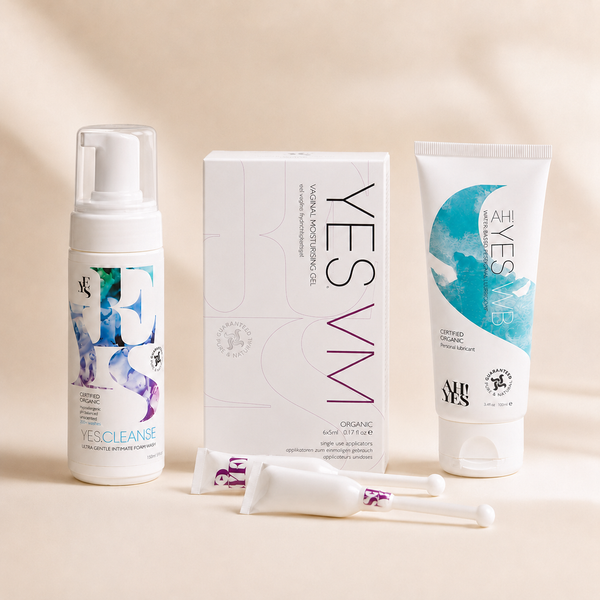
Explore AH! YES’s full line of vulva- and vagina-friendly products, each pH-balanced and formulated to support your natural microbiome, so you can stay healthy, comfortable, and confidently yourself.
Read more about the changes your body goes through during peri menopause and post menopause.


