
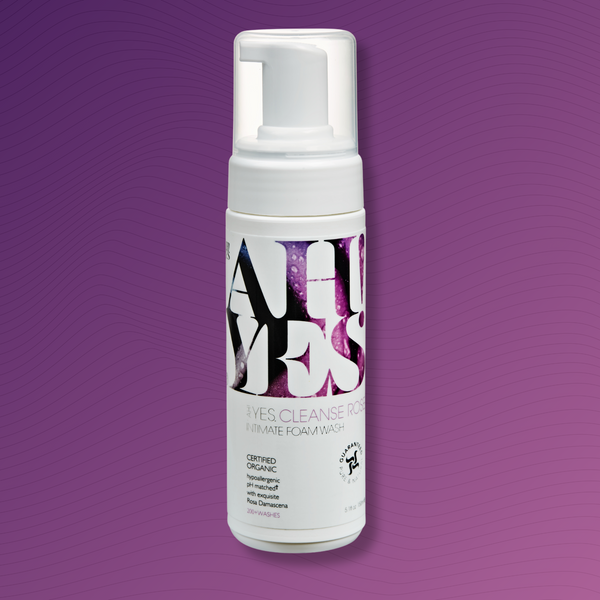

CLEANSE Intimate Wash

Scent:
FREE Shipping* on orders over $50

Have a discount code? Add it in the next step.
4.8/5 based on 1,630 reviews
If you’ve tried a vaginal moisturizer and felt let down, the product isn’t always the problem. Often, it’s how, where, or how often it’s being used.
Vaginal moisturizers are well supported by evidence, so before you write yours off, here are five common mistakes that could be getting in the way, plus the biology behind each fix.
A vaginal moisturizer hydrates tissue gradually, so it works best through regular, consistent use, not just as an emergency fix on particularly uncomfortable days.
Tissue rehydration is cumulative. Reaching for your moisturizer only when you’re already sore means you may never give it the consistency it needs to build a baseline of comfort.
Aim for a steady routine, often two to three times a week, or more frequently if symptoms are more noticeable.
Lubricants and vaginal moisturizers aren’t the same thing.
A lubricant reduces friction and provides glide in the moment, particularly during sex. A vaginal moisturizer is designed to hydrate vaginal tissue over time and support ongoing comfort.
If you need everyday relief from dryness, a lubricant alone may not be enough. And if you need extra glide during sex, a moisturizer isn’t specifically designed for that job.
For many women, the answer isn’t choosing one or the other. It’s using both for their different purposes.
Dryness doesn’t necessarily stop at the vaginal canal. The vulva can become dry and uncomfortable too.
If your symptoms include external dryness, tightness, soreness, itching, or irritation, applying moisturizer only internally could mean you’re missing the area that needs it most.
Use enough to coat the tissue comfortably, and apply externally to the vulva when needed.
Meaningful tissue rehydration builds over time, not overnight.
In clinical trials, women typically assess the benefits of vaginal moisturizers over a period of several weeks, often around 8–12 weeks.
That doesn’t mean you won’t notice any difference before then, but it does mean consistency matters. Give a new routine a fair, regular trial for at least several weeks before deciding it isn’t working.
The benefits of vaginal moisturizers build with consistent use as tissue hydration improves. Trials commonly measure outcomes at 8–12 weeks. Sporadic application, using too little, applying only internally, or stopping too soon can all reduce that cumulative effect.
When vaginal and vulvar tissue is already dry and sensitive, what’s in your intimate products matters.
Ingredients such as glycerin, parabens, propylene glycol, and fragrance can aggravate sensitive tissue for some people, potentially contributing to the very stinging or irritation you’re trying to relieve.
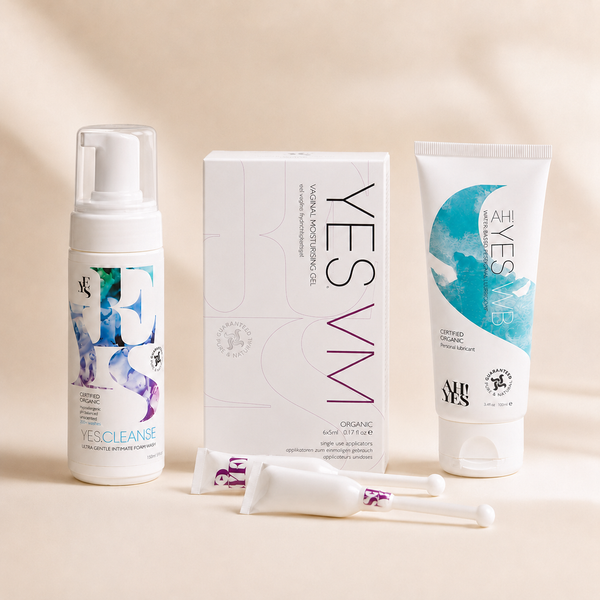
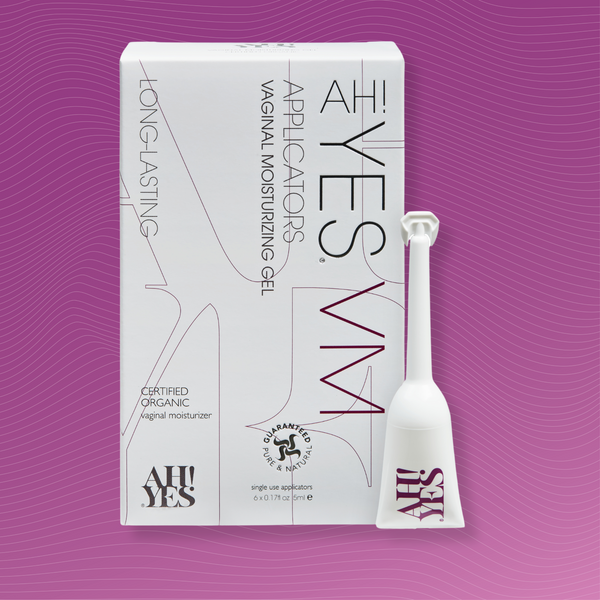
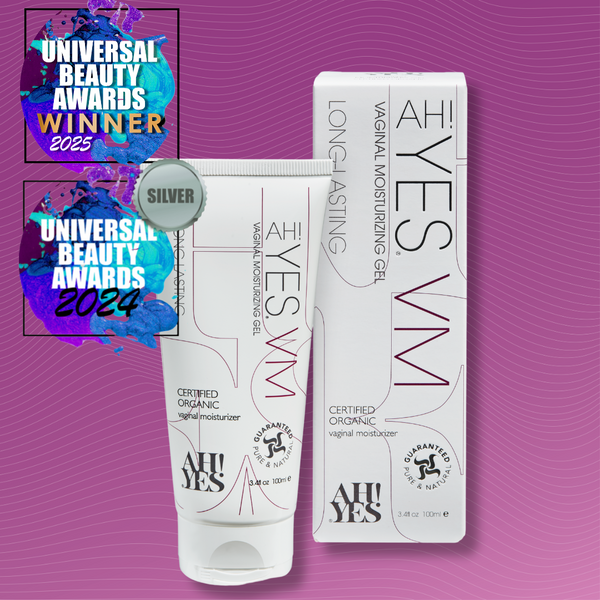
YES Vaginal Moisturizer is pH-matched, iso-osmotic, glycerin-free, and certified organic. It’s formulated specifically for delicate vaginal tissue to provide long-lasting hydration and relief from dryness.
If you’ve been using a vaginal moisturizer consistently for several weeks with little improvement, that’s a useful reason to speak with your healthcare provider.
They can discuss whether other treatment options may be appropriate and help rule out other causes of persistent symptoms, such as an infection or skin condition.
Read more about the changes your body goes through during peri menopause and post menopause.


