
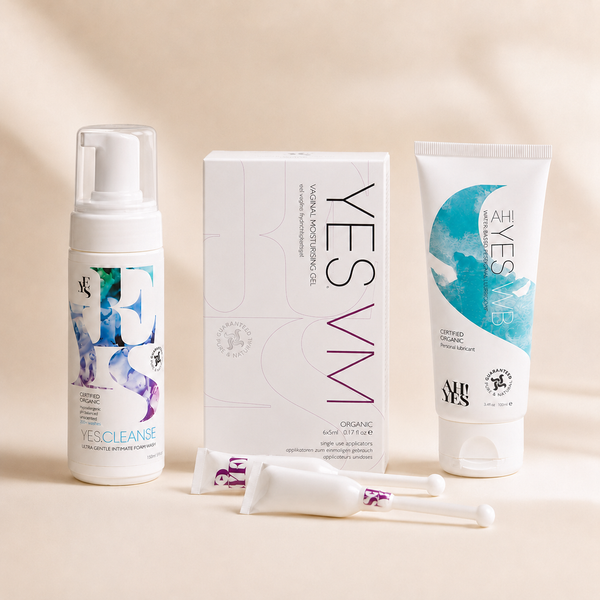
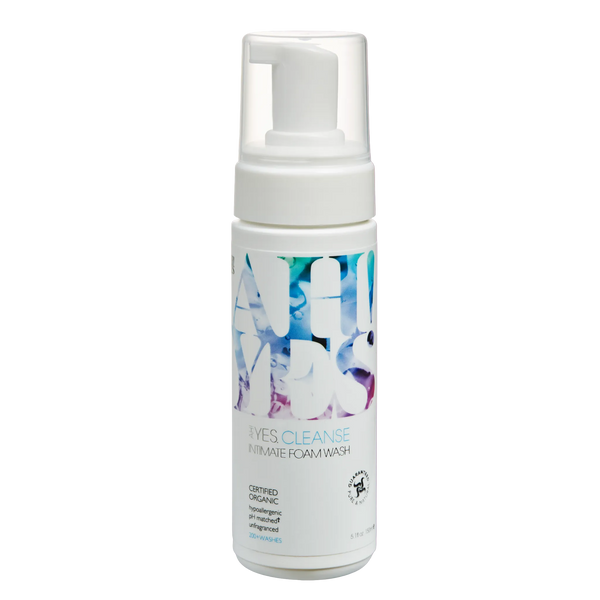
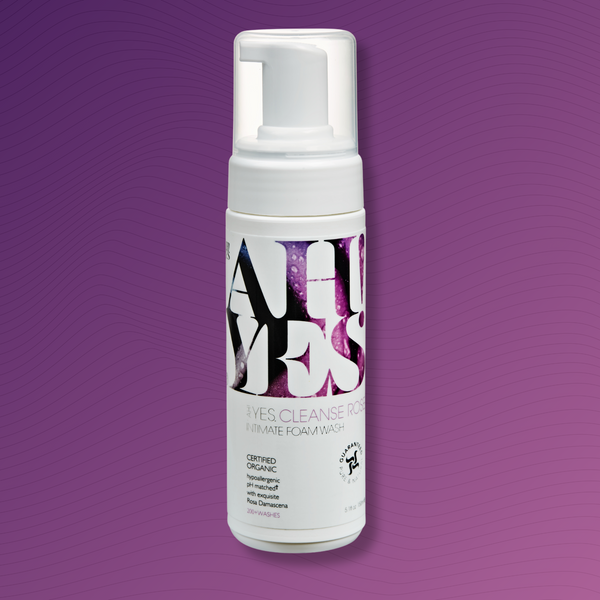

CLEANSE Intimate Wash

Scent:
FREE Shipping* on orders over $50

Have a discount code? Add it in the next step.
4.8/5 based on 1,630 reviews
“Natural.” “Clean.” “Pure.” These words appear on the front of almost everything and, on their own, mean almost nothing — there’s no agreed legal definition behind them for beauty and wellbeing products. Certified organic is a different category: it’s an independently audited standard, not a marketing mood. Here’s what that actually buys you.
Unlike food and drink, where “organic” is legally protected, there are no binding legal rules governing the words “natural” or even “organic” on cosmetics and wellbeing products in much of the market. That gap is exactly where greenwashing thrives — a product can be labeled “natural” while containing very little that you’d recognize as such. Independent certification closes that gap by setting, and checking, a real standard.
A certification such as the Soil Association’s sets out documented requirements for how ingredients are grown and processed — excluding synthetic pesticides and GMOs, for example, and specifying minimum organic content — and crucially, it’s independently inspected and audited.
That’s a meaningfully higher bar than a brand simply describing itself as natural, because someone other than the brand has checked and continues to check.
Intimate skin is thin, absorbent mucosal tissue with a direct route into the body and a delicate microbiome — and after menopause it’s more permeable still. Whatever you apply has more opportunity to be absorbed and to disturb the local balance, so the quality and predictability of the ingredients deserve more scrutiny, not less.
Vaginal mucosa is more permeable than external skin, and the terms “natural” and “organic” are largely unregulated for beauty products. Independent certification is what turns a claim into something checkable.
Beyond the organic standard itself, our formulas also leave out common intimate-care irritants: glycerin (which can raise osmolality), parabens (which can mimic estrogen), propylene glycol and added fragrance. With delicate tissue, what’s not in the formula is often as important as what is.
In plain terms: fewer unknowns, fewer likely irritants, and the reassurance of an independent tick rather than a clever word.
That’s what “certified organic” means when you’re actually using it — and it’s why we pair certification with full ingredient disclosure, so you can verify rather than take our word for it.
Read the back, not the front. A real certification and a full ingredient list tell you far more than any hero word on the label.
Read more about the changes your body goes through during peri menopause and post menopause.


