
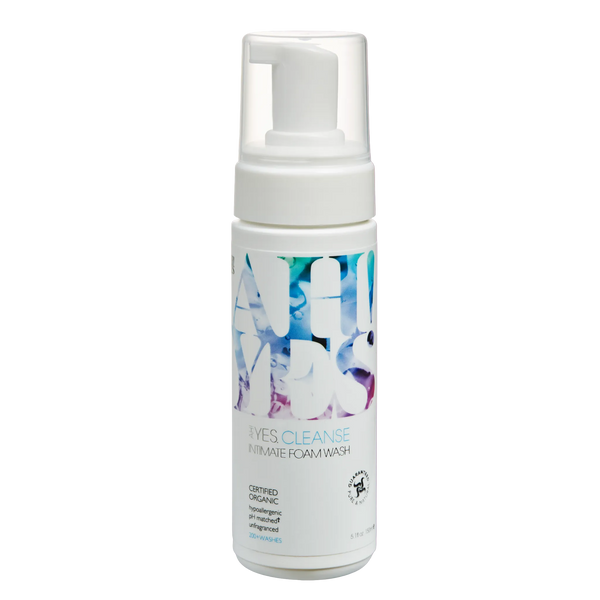
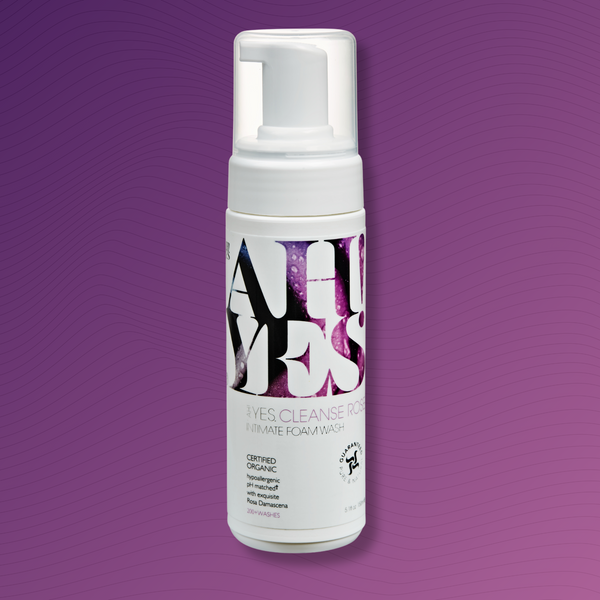

CLEANSE Intimate Wash

Scent:
FREE Shipping* on orders over $50

Have a discount code? Add it in the next step.
4.8/5 based on 1,630 reviews
Comfort during menopause rarely comes from one product alone. For many women, it’s about finding a simple routine that supports intimate tissue regularly, rather than waiting until dryness or discomfort becomes difficult to ignore.
Think of it a little like skincare: gentle cleansing, regular moisture, and extra support when you need it.
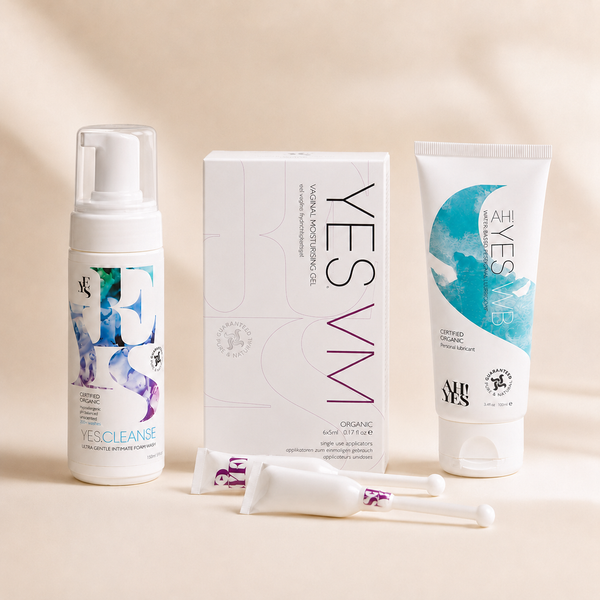
Cleanse, gently: Wash the external vulva only, using a gentle, pH-matched intimate cleanser. Avoid putting soap or washes inside the vagina, and skip scrubbing and douching.
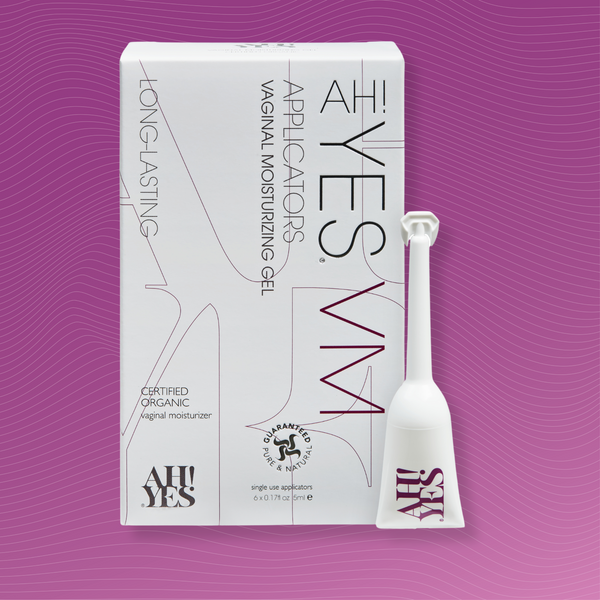
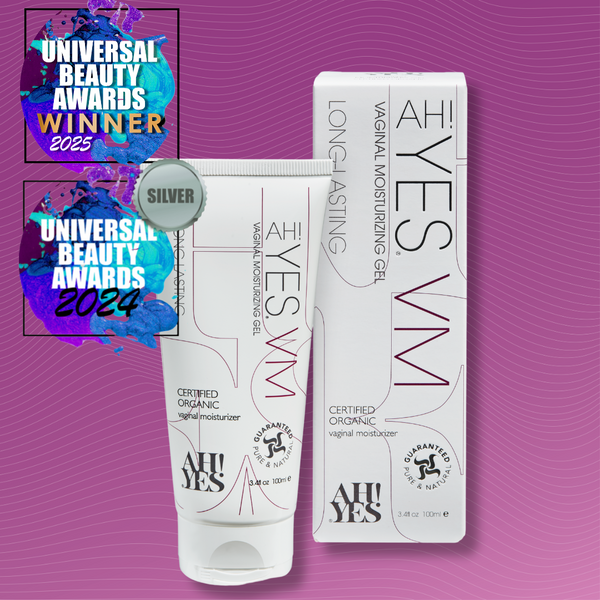
Moisturize, regularly: A hormone-free vaginal moisturizer can be used routinely to replenish moisture and soothe dry or sensitive tissue. Depending on the product, it can be applied internally and around the vaginal entrance and vulva where dryness is felt.
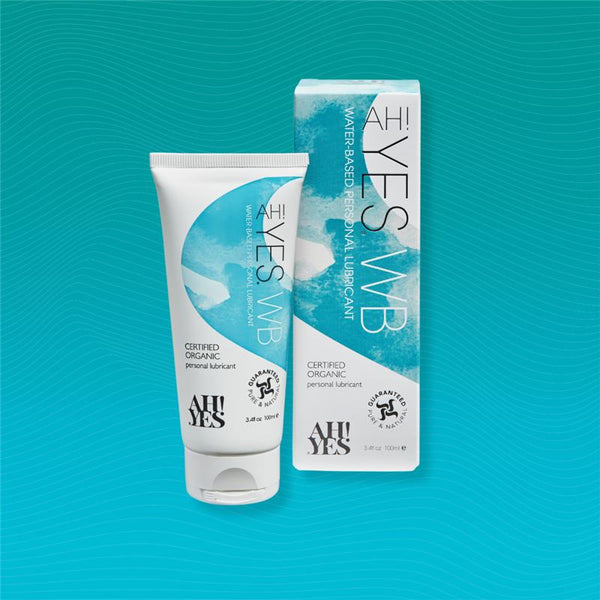
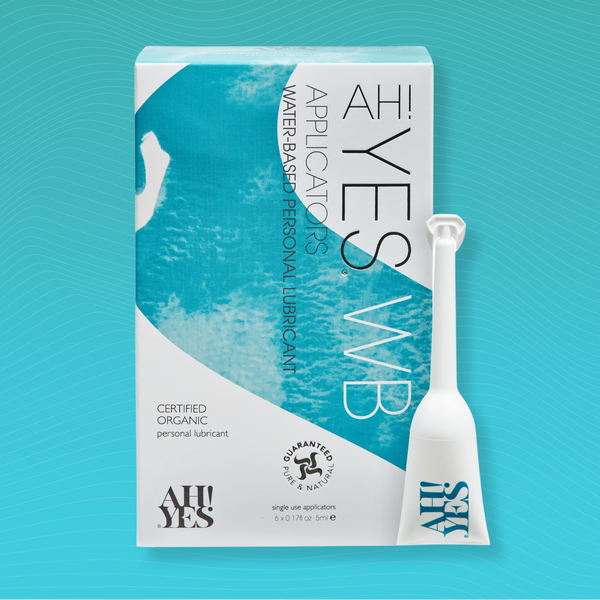
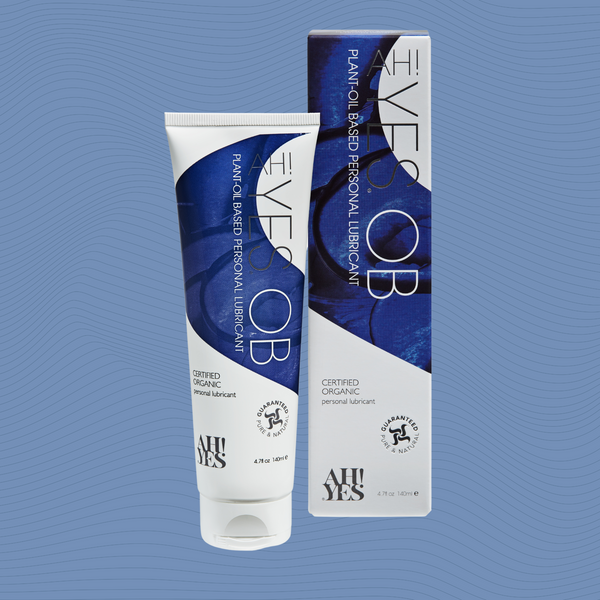
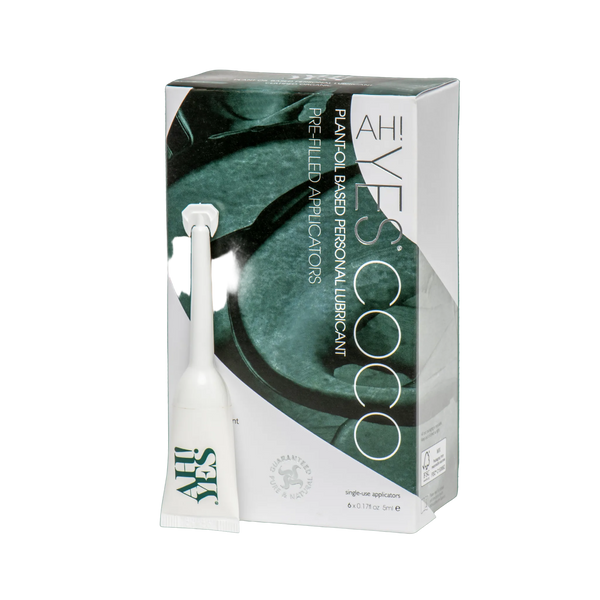
Lubricate, when you need it: A lubricant provides extra glide and reduces friction during intimacy. A water-based lubricant can offer a natural-feeling glide, while an oil-based lubricant can provide longer-lasting lubrication.
A vaginal moisturizer is different from a lubricant. Rather than simply providing extra glide when you need it, a moisturizer is designed to replenish moisture in dry vaginal tissue and provide ongoing relief.
That’s why it can help to make moisturizing part of your regular routine rather than reaching for it only when symptoms become uncomfortable.
How often you use a vaginal moisturizer will depend on the product and your individual symptoms, so follow the product instructions and find a routine that keeps you comfortable.
THE SCIENCE IN BRIEF
Vaginal moisturizers are designed for ongoing moisture support, while lubricants are primarily used to reduce friction when it occurs. They can therefore play different roles within the same intimate-care routine.
Using prescribed vaginal estrogen doesn’t necessarily mean there’s no place for a vaginal moisturizer.
For example, if you use vaginal estrogen twice a week, you may choose to use a vaginal moisturizer on the other days to provide additional moisture and comfort.
Where you apply them can matter too.
Vaginal estrogen pessaries are typically inserted higher into the vagina using an applicator. A moisturizer can still be useful lower down, particularly around the vaginal entrance and on the vulva if these areas also feel dry or uncomfortable.
The key is spacing the products rather than applying them at exactly the same time. For example, you might use your prescribed vaginal estrogen on its scheduled days and your moisturizer on the days in between.
If you’re unsure how best to combine a vaginal moisturizer with your particular vaginal estrogen treatment, speak to your doctor, pharmacist, or healthcare professional for advice.
Even when you’re using a moisturizer or vaginal estrogen regularly, a lubricant can still be useful during sex.
Lubricants work in the moment by reducing friction between delicate tissues, helping make intimacy more comfortable. Apply generously before or during sex and reapply if you need to.
The best routine is one you can actually stick to.
Keep your products somewhere convenient and attach your moisturizer to an existing habit, such as your evening routine. If you’re also using vaginal estrogen, knowing which days are your estrogen days and which are your moisturizer days can make the routine easier to remember.
Most importantly, intimate care doesn’t have to be all or nothing. Vaginal estrogen, vaginal moisturizers, and lubricants each have different roles, and for some women, using them together as part of a well-spaced routine can provide more complete support for dryness and comfort.
Read more about the changes your body goes through during peri menopause and post menopause.


