
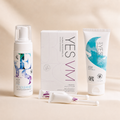

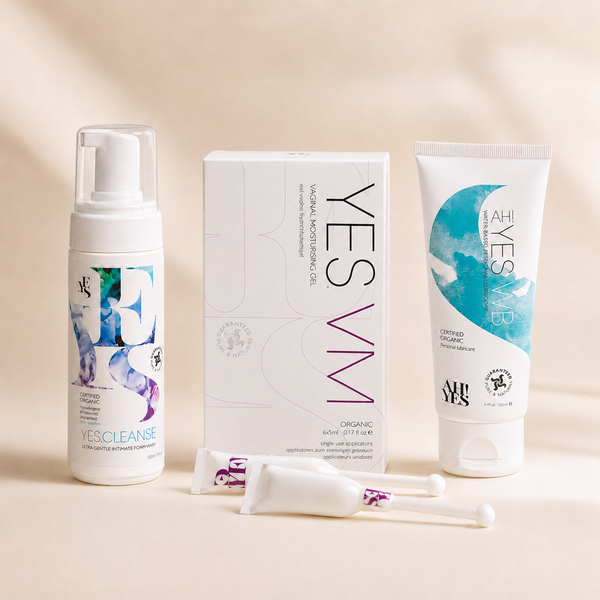



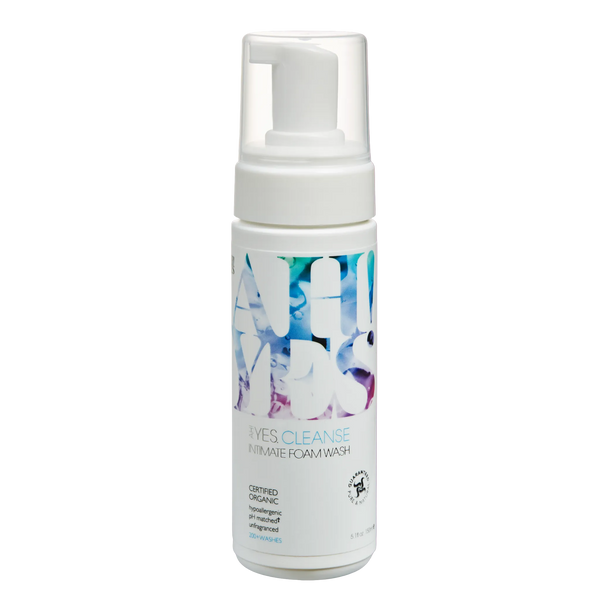
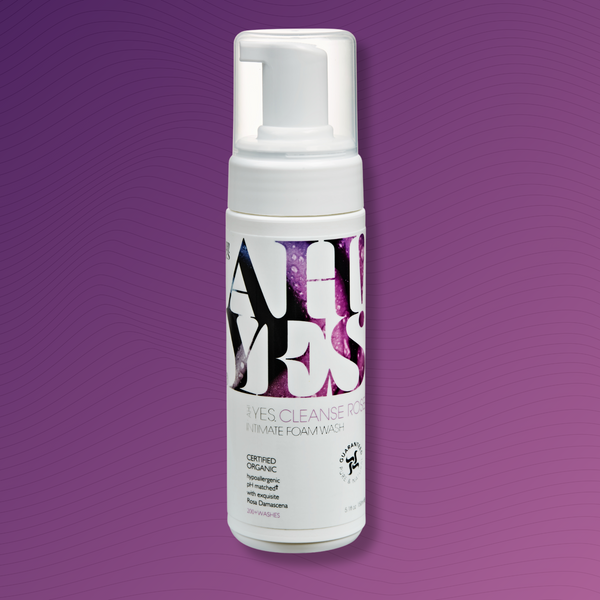

CLEANSE Intimate Wash

Scent:

Have a discount code? Add it in the next step.
4.8/5 based on 1,630 reviews

Painful sex, also known as dyspareunia, is a common condition that causes pain and discomfort during or after sex. Here, we will explore the symptoms, causes, and treatment options for painful sex, to help you navigate this journey and find relief.
Experiencing pain during sex can be a challenging and distressing situation for individuals and couples.
It's important to remember that painful sex is treatable, and seeking professional help is crucial for proper diagnosis and guidance. By understanding the symptoms, causes, and available treatment options, you can take proactive steps toward overcoming painful sex, restoring sexual pleasure, and improving overall well-being.

Understanding your symptoms
Painful sex can manifest in various ways, and the symptoms may vary between individuals. Some common symptoms include:
Sharp or burning pain during penetration
Aching or throbbing pain before, during, or after intercourse
Pain that is localized or more generalized in the genital area
Pain during certain sexual positions or activities
Pain accompanied by bleeding or vaginal dryness, and feelings of tightness or inability to relax the pelvic floor muscles during intercourse
Causes
Painful sex can be caused by a multitude of factors, which can be physical, psychological, or a combination of both.
For many women, pain during intercourse will be the result of vaginal dryness, leaving the sensitive vaginal tissues vulnerable during sex. Vaginal dryness is often caused by hormonal changes, lifestyle factors and certain medical conditions. Childbirth, pregnancy, breastfeeding and menopause can all cause insufficient vaginal lubrication and lead to friction and discomfort during intercourse. [1]
Fluctuations in oestrogen levels can result in vaginal dryness and thinning of the vaginal walls. [1] This makes the vaginal tissues more delicate and can increase the likelihood of injury and pain during sex.
Lack of desire or low libido, anxiety, depression, stress, low self-esteem, past trauma, relationship problems, or a history of sexual abuse can all affect sexual experiences and contribute to painful intercourse. [1] [4]
Gynaecological infections such as yeast infections, urinary tract infections (UTIs) and sexually transmitted infections (STIs) may cause pain during sex. [3] In some cases, taking antibiotics can interfere with the vaginal microbiome and cause yeast infections, leading to pain during sex.
Conditions such as vaginitis, endometriosis [3], uterine fibroids [5], vaginismus, vulvodynia, vestibulodynia, or skin conditions such as lichen sclerosus can all cause pain during sex.
In very rare cases, cervical cancer may be the cause of painful sex. If you are also experiencing unusual vaginal bleeding, vaginal discharge, or pain in the area between the hip bones (pelvis), it is important to see your GP or gynaecologist.
Certain cancer treatments may cause vaginal dryness or hormonal changes leading to painful sex.
If you are experiencing any of the conditions above or are not sure of the cause of your pain during, before or after sex, you are not alone. Receiving the right support is vital to finding relief. 3 out of 4 women have experienced painful sex at some point in their lives and many women struggle with ongoing pain or discomfort.
Sex should never be painful, if you're experiencing it, always seek help. Do not suffer in silence or let embarrassment stop you from seeking treatment.
The treatment for painful sex depends on the underlying cause. Always speak to your GP or healthcare professional to rule out any infections or medical conditions in the first instance.
Shop the guide
Symptoms of vaginitis include itching, soreness, unusual vaginal discharge, vaginal dryness, pain during sex, vaginal bleeding, sore or swollen skin around the vagina. Vaginitis has many possible causes and effective treatment options. It’s best to see your GP if you are experiencing any of these symptoms.
Symptoms of vaginitis include itching, soreness, unusual vaginal discharge, vaginal dryness, pain during sex, vaginal bleeding, sore or swollen skin around the vagina. Vaginitis has many possible causes and effective treatment options. It’s best to see your GP if you are experiencing any of these symptoms.
The sudden tightening of the vagina before or during penetration of any kind [NHS]. In vaginismus, the pubococcygeus muscle (the muscle supporting the vagina) involuntarily tenses, in a similar reflexive manner to someone flinching. The tensed muscle means that penetration becomes difficult or even impossible. Treatment for Vaginismus can include psychosexual therapy, relaxation techniques, pelvic floor exercises and vaginal trainers or dilators.
The sudden tightening of the vagina before or during penetration of any kind [NHS]. In vaginismus, the pubococcygeus muscle (the muscle supporting the vagina) involuntarily tenses, in a similar reflexive manner to someone flinching. The tensed muscle means that penetration becomes difficult or even impossible. Treatment for Vaginismus can include psychosexual therapy, relaxation techniques, pelvic floor exercises and vaginal trainers or dilators.
Refers to persistent, unexplained vulval pain. This may include burning, stinging or throbbing. Possible causes include previous surgery, childbirth, trapped nerves and a history of severe vaginal thrush.
Refers to persistent, unexplained vulval pain. This may include burning, stinging or throbbing. Possible causes include previous surgery, childbirth, trapped nerves and a history of severe vaginal thrush.
A pain that occurs at the entrance (vestibule) of the vagina. Pain can also occur in other external parts of the genitals or vulva. Vestibulodynia is a form of vulvodynia.
A pain that occurs at the entrance (vestibule) of the vagina. Pain can also occur in other external parts of the genitals or vulva. Vestibulodynia is a form of vulvodynia.
A condition where tissue similar to the lining of the womb grows in other places, such as the ovaries and fallopian tubes. You may experience pain in your lower tummy or back, severe period pain, pain during or after sex, feeling sick, constipation, diarrhoea, or blood in your pee or poo during your period.
A condition where tissue similar to the lining of the womb grows in other places, such as the ovaries and fallopian tubes. You may experience pain in your lower tummy or back, severe period pain, pain during or after sex, feeling sick, constipation, diarrhoea, or blood in your pee or poo during your period.
Non-cancerous growths that develop in or around the womb. They can cause heavy periods, tummy pain, lower back pain, constipation and pain or discomfort during sex.
Non-cancerous growths that develop in or around the womb. They can cause heavy periods, tummy pain, lower back pain, constipation and pain or discomfort during sex.
(often misspelt as Lichen Sclerosis) is a chronic inflammatory skin condition that mainly affects the vulva in women and female children and also the penis tip in men and boys. Women with Lichen Sclerosus usually develop small white spots and sometimes bruising on the vulva.
(often misspelt as Lichen Sclerosis) is a chronic inflammatory skin condition that mainly affects the vulva in women and female children and also the penis tip in men and boys. Women with Lichen Sclerosus usually develop small white spots and sometimes bruising on the vulva.
These can cause pain with intercourse as well as lower back pain, constipation, urinary leakage and more. POP is defined as the abnormal descent or herniation of the pelvic organs from their normal attachment sites or their normal position in the pelvis. Organs that can “fall” into the vagina from their normal position are the bladder, uterus, small bowel and rectum.
These can cause pain with intercourse as well as lower back pain, constipation, urinary leakage and more. POP is defined as the abnormal descent or herniation of the pelvic organs from their normal attachment sites or their normal position in the pelvis. Organs that can “fall” into the vagina from their normal position are the bladder, uterus, small bowel and rectum.
Fluid-filled sacs that develop on an ovary. They usually don’t cause any symptoms unless they rupture. In this case, they may cause pelvic pain, pain with sex and heavy periods.
Fluid-filled sacs that develop on an ovary. They usually don’t cause any symptoms unless they rupture. In this case, they may cause pelvic pain, pain with sex and heavy periods.


