
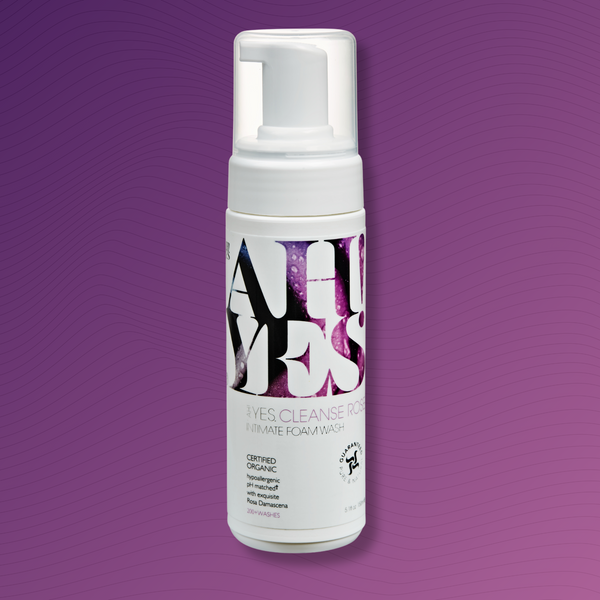

CLEANSE Intimate Wash

Scent::
15% and Free Shipping* Always When You Subscribe

Have a discount code? Add it in the next step.
4.8/5 based on 1,630 reviews
For some of us, painful sex can make an unwanted appearance during our most intimate moments. If you or your partner have ever encountered this, you’re certainly not alone. While there is no one cure for all, there are plenty of ways to find relief and enjoy sex and intimacy again.
Medically referred to as dyspareunia, painful sex can be managed with the right information, treatment, and support. Here, we’ll delve into the world of painful sex, exploring its symptoms, potential causes, and a variety of treatment options available to help you regain your comfort, confidence, and sexual well-being.
We’re pleased to have launched a dedicated page offering an in-depth look at the causes and treatment of painful sex. You can access it here.
Painful sex isn’t a one-size-fits-all experience. It can present in various ways, making it important to recognize the signs and get the right kind of help.
You may experience sharp pain or burning sensations with penetration or persistent aching during or after sex. Pain may be localized to one specific area or genital region, or it may only appear when performing specific sexual positions or activities. Pain may be accompanied by bleeding or vaginal dryness, or you may feel the muscles in your pelvic region becoming uncomfortably tight.
Understanding the potential causes of painful sex is a crucial step in finding a solution that works for you. These causes can be attributed to physical, psychological, or a combination of factors:
Vaginal Dryness: Insufficient lubrication can lead to friction and discomfort during sex.
Hormonal Imbalances: Fluctuations in hormones, especially during perimenopause or menopause, can contribute to intimate discomfort.
Psychological Factors: Anxiety, stress, past abuse, or emotional concerns can manifest physically during intimacy.
Infections and Injuries: Certain infections can cause inflammation and pain. Injuries caused by sex, childbirth, or other reasons may be the cause of intimate pain.
Medical Conditions: Conditions like endometriosis, vaginismus, vulvodynia, uterine fibroids, or skin disorders like lichen sclerosus can be culprits.
Lack of desire or low libido: Not being in the mood for sex can contribute to vaginal dryness, sexual function issues, and emotional distress.
Cervical cancer (rarely!) and/or cancer treatments: Serious conditions like cervical cancer and treatments for cancer can impact sexual well-being and function.
The journey to relief begins with proper guidance and support. Below are various treatment avenues to explore, depending on the underlying cause of your pain:
Medical Intervention: Infections, diseases, or inflammation may require medical treatment. Surgical options might be necessary for conditions like uterine fibroids or endometriosis.
Pelvic Floor Physical Therapy: This can address muscle tension or spasms in the pelvic region, offering relief and improving sexual function.
Vaginal Dilators: These cylindrical plastic or silicone tubes come in different sizes, helping to maintain vaginal muscle suppleness and prevent vaginal walls from sticking together.
Psychological Counseling (sex or relationship therapy): Talk therapy can be extremely beneficial in addressing emotional issues, reducing anxiety, and improving overall sexual well-being. This can be done alone or with your partner.
Hormone Replacement Therapy (HRT): For cases involving hormonal imbalances, HRT or vaginal estrogen creams might be recommended.
Lubrication: Using a vaginal lubricant can help alleviate pain and discomfort associated with vaginal dryness during sex.
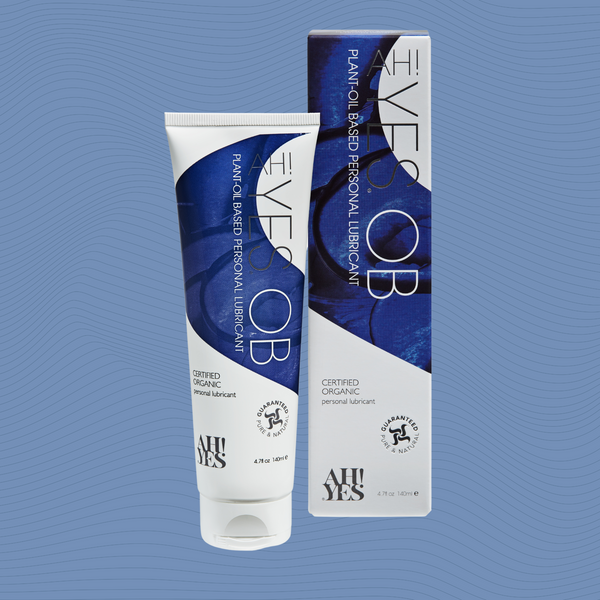
• Oil-based lubricants like AH! YES® OB provide a protective layer over the skin to minimize the risk of injury during sex.
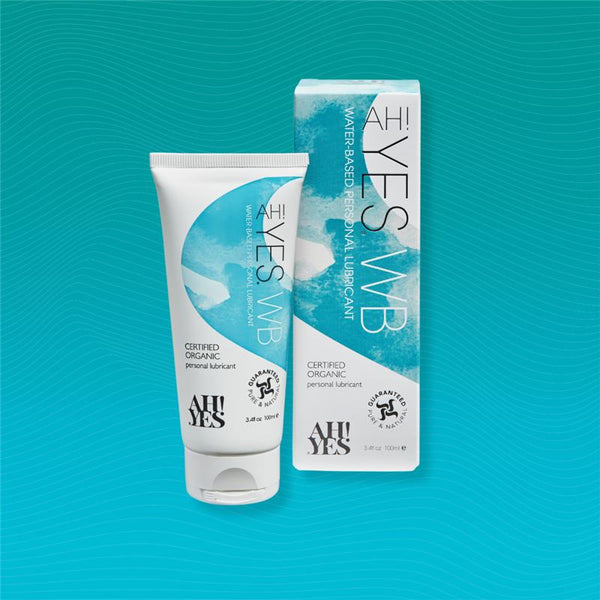
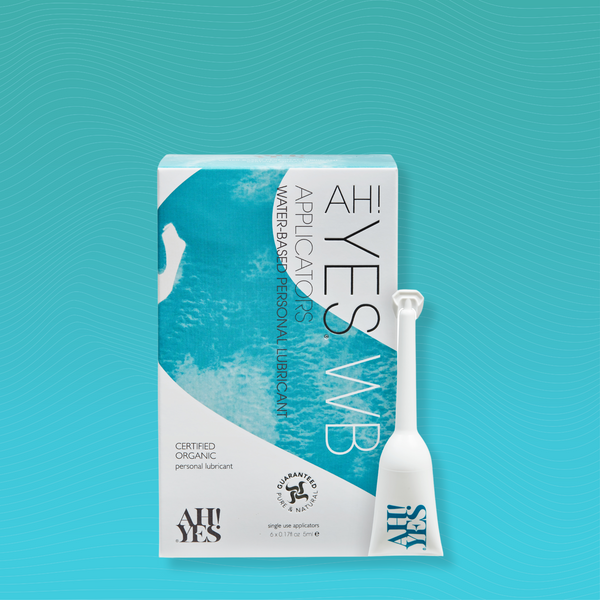
• AH! YES® WB water-based lubricant is intensely hydrating for dry or irritated intimate tissue.
• Try using both together for ultimate comfort.
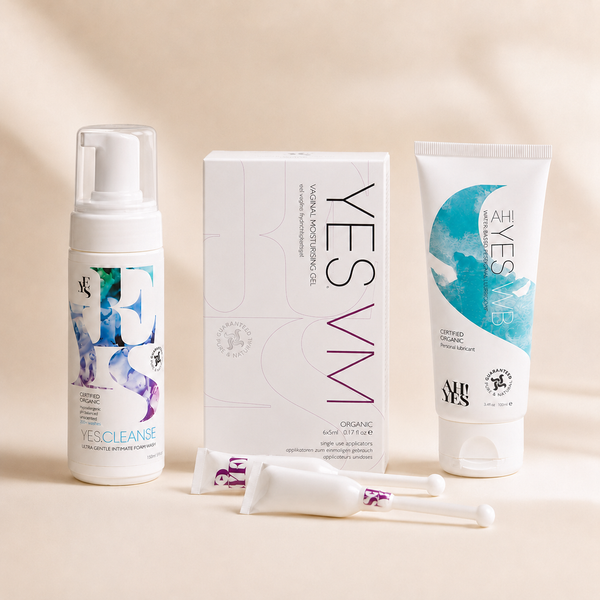
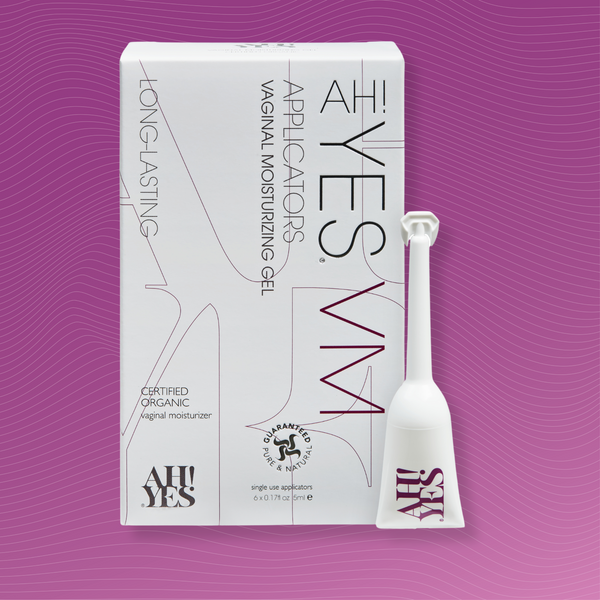
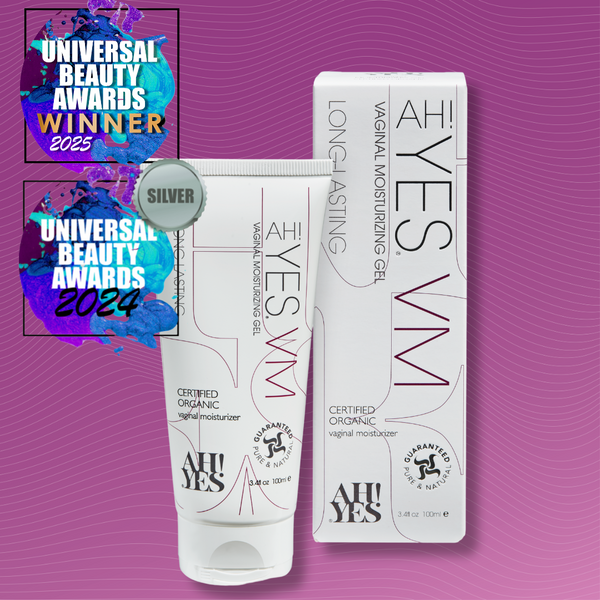
• AH! YES® VM vaginal moisturizer can be used daily to keep dry intimate tissues hydrated. It is designed to release moisture slowly over three days as your body needs it, offering long-lasting relief from discomfort.
Foreplay:
Engaging in foreplay can help stimulate vaginal lubrication and relax your muscles before penetration. Communicating openly with your partner and expressing what is and isn’t comfortable for you is also key. Experimenting with toys and clitoral stimulants like AH! YES® O YES can be an effective way to increase desire, arousal, and anticipation.
Combination Approaches:
Combining different treatments often provides the most effective results.
Remember, seeking professional help and communicating openly with your partner can be game-changers when it comes to sexual wellness. See our Painful Sex Guide for a deep dive into the causes and treatment of painful sex, as well as helpful resources to support your healing journey.
Read more about the changes your body goes through during peri menopause and post menopause.


